
Table of Contents
Introduction
Drowning in student loan payments? You’re definitely not alone. Millions of people are dealing with education debt that feels impossible to tackle, but here’s some good news: student loan forgiveness programs exist, and they could be your ticket to financial breathing room. The trick is figuring out how to actually get there.
Student loan forgiveness isn’t just wishful thinking—it’s a real opportunity for borrowers who know how to work the system. Whether you’re in public service, teaching, or another qualifying field, there are programs designed specifically to help people like you. The key is understanding student loan forgiveness eligibility requirements so you can build a bulletproof application. And since these programs change (sometimes without much warning), staying current with student loan forgiveness updates is crucial for your success.
Here’s where things get tricky. Lots of borrowers mix up loan forgiveness with repayment plans or deferment options—and that confusion costs them real opportunities. Understanding these differences isn’t just helpful; it’s essential for making smart moves with your debt. Take Public Service Loan Forgiveness or Teacher Loan Forgiveness, for example. Each has its own rules and requirements. If you’re struggling with where to even start, learning how to qualify for student loan forgiveness and nail the application process is your first priority.
Now, student loans don’t exist in a vacuum. They’re part of your bigger financial picture, which means smart money management goes way beyond just your education debt. Sometimes you’ll find that general financial skills—like solid budgeting strategies—actually help you handle your loans more effectively. When you see the whole picture, you can make loan forgiveness work as part of your overall money plan.
What You’ll Learn in This Guide
We’re going to break down everything you need to know about getting your student loans forgiven. No jargon, no runaround—just clear steps you can actually follow to get closer to debt relief.
- Understanding Student Loan Forgiveness: What forgiveness actually means, the different programs available, and how they’re completely different from repayment plans or putting your loans on pause.
- Eligibility Criteria and Qualifications: Who can actually get forgiveness (spoiler: it might be you), what kind of job you need, and whether your federal or private loans even qualify.
- How to Apply Effectively: The exact steps to take, what paperwork you’ll need, and where to send everything so your application doesn’t get lost in bureaucratic limbo.
- Overcoming Common Challenges: The roadblocks that trip people up (missing documents, delays, rejected applications) and how to avoid or fix these problems.
Once we get into the details, you’ll understand exactly how programs like Public Service Loan Forgiveness work and what you need to do to meet their requirements. Your employment history matters. Your loan type matters. Even your payment history matters. We’ll also touch on related options like loan deferment applications, which can buy you time but won’t actually eliminate your debt.
Beyond just knowing what to do, you’ll learn where to find the official resources that matter—the Federal Student Aid website, your loan servicer’s portal, and other legitimate places to submit applications. This isn’t about hoping for the best; it’s about following a proven path that actually works.
Getting your student loans forgiven can completely change your financial life. Imagine what you could do without those monthly payments dragging you down—whether that’s buying a house, starting a business, or just having money left over at the end of the month. Let’s walk through your options, figure out what you qualify for, and get you moving toward a debt-free future.
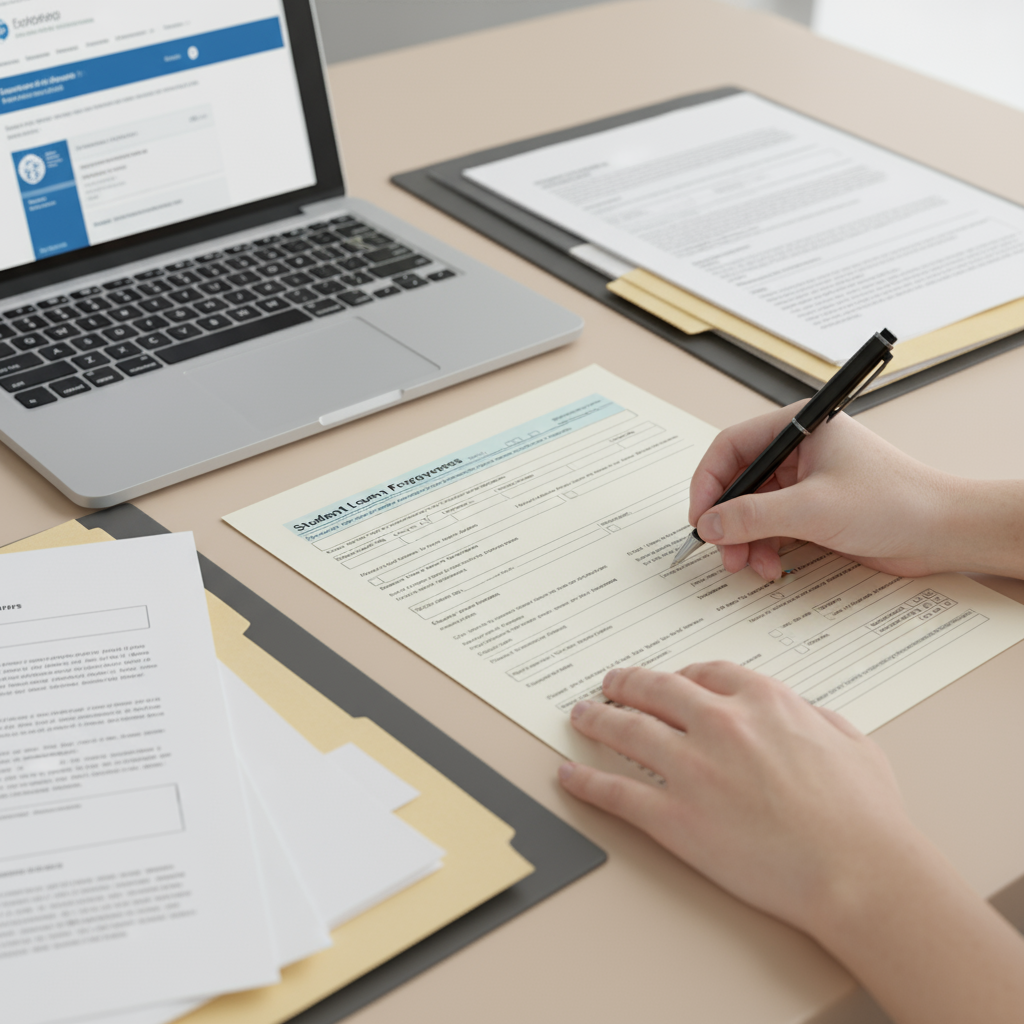
Now that we’ve covered the basics of student loan forgiveness, let’s get into the real meat of it—what you actually need to do to make this work for you. Because here’s the thing: knowing these programs exist is one thing, but understanding how to actually qualify and apply? That’s where the rubber meets the road. We’re going to walk through the different forgiveness programs available, figure out if you’re eligible, break down the application process step by step, and tackle those frustrating roadblocks that seem to pop up for everyone. By the time we’re done here, you’ll have a clear roadmap to potentially wipe out a chunk (or all) of your student debt.
Understanding Student Loan Forgiveness and Eligibility Criteria
Student loan forgiveness is exactly what it sounds like—programs that can reduce or completely eliminate your federal student loan debt when you meet certain requirements. Think of it as the ultimate “get out of jail free” card for your student loans. Now, this isn’t the same as putting your loans on pause with deferment or forbearance (those just delay the inevitable). With forgiveness, the debt actually disappears. Gone. Poof.
So what programs are we talking about here? The big player is Public Service Loan Forgiveness (PSLF)—if you work for the government or a qualifying nonprofit and make 120 payments, your remaining balance gets wiped clean. Then there’s Teacher Loan Forgiveness, designed specifically for educators working in low-income schools. You’ve also got income-driven repayment plan forgiveness, where you make payments based on your income for 20-25 years and whatever’s left gets forgiven. And if your school closes while you’re enrolled (or shortly after you withdraw), closed school discharge can eliminate that debt entirely.
Here’s where it gets tricky—eligibility requirements. These programs don’t mess around when it comes to who qualifies. For PSLF, you need to be working full-time for a qualifying public service employer or nonprofit. Teacher Loan Forgiveness? You’ll need to teach in a low-income school for five consecutive years. And here’s something important: we’re talking federal loans only. Private loans are out of luck. You also need to be current on your payments or enrolled in an approved repayment plan. The key is aligning your career and financial strategy with these requirements—sometimes that means making some strategic decisions about where you work. For a deeper dive into whether you qualify, this student loan forgiveness eligibility guide breaks it all down.
Key Aspects of Loan Forgiveness and Eligibility
Let’s get specific about what you need to know for each major program:
- Public Service Loan Forgiveness Program: You need 120 qualifying payments under a qualifying repayment plan while working for a qualifying employer. Sounds repetitive, right? That’s because every piece has to line up perfectly. Keep meticulous records of your employment—this documentation will be your best friend when application time comes.
- Teacher Loan Forgiveness: Five consecutive years teaching in a designated low-income school is your ticket here. The catch? You need to understand the application timelines and have all your paperwork ready. Don’t wait until year six to start thinking about this.
- Income-Driven Repayment Forgiveness: After 20 or 25 years of income-based payments (depending on your plan), whatever’s left gets forgiven. Just remember—your income changes, your payments change. Stay on top of those annual recertifications.
- Loan Type and Status: Federal loans only, and you need to stay current on payments or be in a qualifying repayment plan. Fall behind, and you could jeopardize your eligibility. It’s that simple—and that important.
Once you’ve got a handle on which programs you might qualify for, it’s time to tackle the application process. And trust me, knowing what challenges to expect ahead of time can save you a lot of headaches.
Applying for Student Loan Forgiveness and Overcoming Challenges
Ready to apply? Good. But first, let’s talk preparation—because going in unprepared is like showing up to a potluck empty-handed. You’ll need documentation, and lots of it. We’re talking proof of employment, loan statements, income verification, and anything else that proves you meet the requirements. Most applications go through the Federal Student Aid website or your loan servicer’s portal, where you can track your application status and get updates.
Here’s the reality check: being thorough and submitting everything on time dramatically improves your chances of getting approved quickly. Cut corners, and you’ll likely end up in processing limbo. Want some insider tips on navigating this process? This guide on how to qualify for student loan forgiveness has some practical advice that can make your life easier.
But let’s be honest—things go wrong. Missing paperwork, processing delays, employment verification issues—these aren’t just possibilities, they’re practically guaranteed to happen to someone. The trick is knowing they’re coming and having a plan. Keep your records organized (I mean really organized), follow up regularly with your loan servicer, and don’t assume everything’s moving along smoothly just because you haven’t heard anything. Sometimes you need to be the squeaky wheel. And if things get really complicated? Don’t be afraid to bring in reinforcements—loan counselors or legal advisors can be worth their weight in gold when you’re dealing with bureaucratic nightmares.
Key Aspects of Application and Challenge Resolution
Here’s your action plan for getting through the application process:
- Required Documents: Think of documentation like building a legal case—you want everything organized, accurate, and readily accessible. Proof of employment, recent loan statements, income verification—get it all together before you start, not after you realize you’re missing something crucial.
- Application Platforms: Stick to official channels—the Federal Student Aid website and your loan servicer’s portal. These platforms provide tracking, security, and direct communication with the people processing your application. Don’t try to shortcut this process.
- Documentation Issues: Double-check everything. Then check it again. Accuracy and completeness aren’t just nice-to-haves—they’re requirements. Stay in touch with your employers and servicers to make sure employment and payment records are up to date.
- Application Delays and Follow-Up: Know the typical processing times for your program, and don’t be shy about following up if things are taking longer than expected. Clear, documented communication with your loan servicer often resolves issues before they become real problems.

Student loan forgiveness isn’t just a program—it’s hope wrapped in paperwork. If you’re drowning in education debt (and let’s be honest, who isn’t?), programs like Public Service Loan Forgiveness, Teacher Loan Forgiveness, and Income-Driven Repayment Forgiveness could be your lifeline. But here’s the thing: these programs aren’t charity. They have rules. Strict ones. You need qualifying employment, consistent payments, and the right type of federal loans. Miss any of these requirements? You’re back to square one. The good news? Once you understand how these programs work, you can actually make them work for you.
Success comes down to one word: preparation. Think of it like preparing for a marathon—you wouldn’t show up without training, right? Your loan forgiveness application needs the same level of commitment. You’ll need employment verification, loan statements, income documentation, and probably a few forms you’ve never heard of. File everything through official channels like the Federal Student Aid website or your loan servicer’s portal. And when things go wrong (because they sometimes do), stay calm. Missing paperwork happens. Employment verification gets delayed. Applications sit in limbo. The borrowers who succeed? They keep detailed records, follow up regularly, and treat their loan servicer like a business partner, not an enemy. Most importantly, they stay informed—because forgiveness rules change, and you need to change with them.
Ready to take action? Start here. Check our detailed student loan forgiveness eligibility guide to see if you actually qualify (don’t assume—verify). Then dive deeper with our practical resource on how to qualify for student loan forgiveness for step-by-step application guidance. While you’re waiting for forgiveness, make your payments work harder with tools like our loan repayment calculator with extra payment and loan payoff calculator with extra payment—because every extra dollar counts. Stay ahead of policy changes through our student loan forgiveness updates (trust me, you want to know about changes before they affect you). If you need breathing room, learn how to apply for loan deferment. And while you’re planning your debt-free future, don’t forget to build your safety net by exploring how to build an emergency fund—because financial security goes beyond just eliminating debt.
Here’s the bottom line: student loan forgiveness can change your life. Imagine making your last qualifying payment and knowing that thousands (maybe tens of thousands) of dollars in debt just disappears. It’s possible. You just need to be smart about it. Stay organized, keep learning, and don’t try to do everything alone—get professional help when you need it. Your forgiveness journey is part of a bigger financial picture, so make sure it fits into a plan that sets you up for long-term success. That debt-free future you’re dreaming about? It’s not just a fantasy. With the right approach and enough persistence, you can make it happen. Start today—your future self will thank you.
Frequently Asked Questions
-
Can I get loan forgiveness for private student loans?
- Generally, loan forgiveness programs apply only to federal student loans. Private loans typically do not qualify for these forgiveness programs.
-
How many years of payments are required before forgiveness?
- For programs like Public Service Loan Forgiveness, typically 10 years (120 qualifying payments) of on-time payments under a qualifying repayment plan are required.
-
What happens if I change jobs?
- Changing jobs may affect your eligibility depending on whether your new employment meets the specific criteria of the forgiveness program you are enrolled in.
-
Can I apply for multiple forgiveness programs?
- Some borrowers may qualify for more than one forgiveness program depending on their loan types and qualifying employment, but eligibility requirements vary for each program.
-
How long does the forgiveness process take?
- Processing times vary but often take several months after submitting a complete application. Staying organized and following up can help reduce delays.