
Table of Contents
Introduction
Managing multiple student loans can feel overwhelming and stressful, especially when juggling various balances, payment deadlines, and fluctuating interest rates. Many borrowers find themselves buried under a mountain of paperwork and confusing repayment plans that seem almost impossible to keep track of. If this sounds familiar, you’re not alone. Student loan consolidation offers a promising solution to simplify your financial life and regain control over your education debt.
Consolidation combines multiple student loans into a single loan with one monthly payment, making it easier to manage your debt and potentially lowering your monthly burden. Given the rising cost of higher education and the complexities surrounding student loan repayment, understanding consolidation can empower you to make smarter financial decisions. For many, this strategy not only streamlines payments but also opens doors to certain repayment programs and loan forgiveness benefits that would otherwise be inaccessible.
Effective management of student loans is crucial for long-term financial wellness. Struggling to keep up with payments can strain your budget, affect your credit score, and delay crucial life goals like buying a home or saving for retirement. Student loan consolidation is an important tool in the debt management toolkit that can alleviate much of this stress. It helps you simplify your payments and can provide access to more flexible repayment options tailored to your financial circumstances.
Before diving into specifics, it’s helpful to know about resources that assist in better loan management. Tools like a loan repayment calculator with interest or a loan repayment calculator in Excel can provide a clear picture of your payment schedule and help you consider extra payment strategies to save on interest, as explained in the guide on using loan calculators with extra payments. Additionally, understanding your eligibility for options like student loan forgiveness or exploring deferment plans from student loan deferment options can provide critical relief when managing repayments.
While consolidation can bring many advantages, it’s natural to have concerns about its impact. Questions often arise about whether consolidating affects your benefits or if it truly lowers payments in the long term. Rest assured, this guide will address these common worries, offering clear explanations that empower you to weigh consolidation’s pros and cons with confidence.
What You’ll Learn in This Guide
In this comprehensive guide, we’ll demystify student loan consolidation by covering everything you need to know to make informed choices and take effective action. Here’s what we’ll walk you through:
- Understanding Student Loan Consolidation: We’ll explain what consolidation means, how it works, and the different consolidation options available, so you know exactly what to expect in the process.
- Benefits and Potential Drawbacks: Learn about the advantages of simplifying your loans into one payment and the important considerations to be aware of before consolidating your student loans.
- Step-by-Step Consolidation Process: Follow our detailed, easy-to-understand guide on how to consolidate your loans, including crucial steps like gathering loan information and choosing the right consolidation option.
- Key Tips and When to Avoid Consolidation: Gain insights on common pitfalls, practical advice on checking your loan terms and financial goals, and scenarios when consolidation may not be the best choice for you.
As you continue reading, you’ll gain valuable knowledge about managing student loans in a way that fits your unique financial situation. Whether you are considering federal consolidation programs or exploring private consolidation options, this guide will equip you with the clarity and tools you need to make confident decisions and reduce stress.
By understanding consolidation thoroughly, you stand to simplify your debt management, possibly reduce your monthly payments, and open up new repayment options that better match your financial goals. You will also learn how to avoid common mistakes, ensuring you retain important benefits like loan forgiveness when applicable.
This guide is designed not only to inform but also to empower you with practical, actionable steps. The goal is to help you move forward confidently toward financial stability and a manageable repayment plan for your student loans. With the right knowledge and approach, consolidating your student loans can be a key step to regaining control over your finances and reducing the burden of multiple payments.
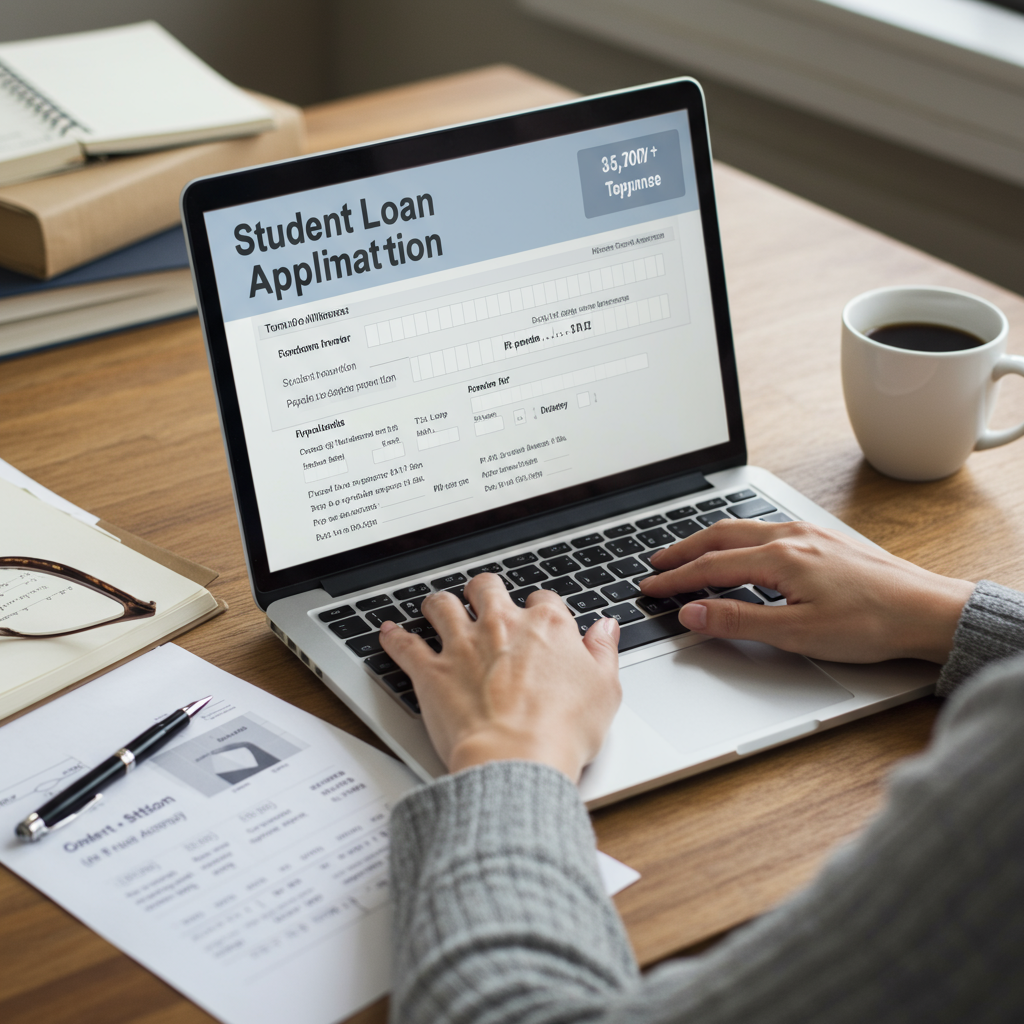
Student loan consolidation is a powerful tool for many borrowers seeking to better manage their education debt. By combining multiple loans into one, consolidation can simplify repayment, potentially reduce monthly payments, and offer access to fixed interest rates. However, navigating the consolidation process and understanding all available options requires careful consideration and informed decisions. In this discussion, we will dive deep into how student loan consolidation works, the benefits it offers, and critical factors to evaluate before proceeding. This comprehensive insight aims to empower borrowers with practical knowledge to optimize their loan management strategy and achieve financial stability.
Understanding Student Loan Consolidation
Student loan consolidation essentially involves merging multiple individual loans into a single loan with one monthly payment. This process is designed to streamline the repayment schedule, which can ease the burden for borrowers juggling different due dates, interest rates, and loan servicers. The consolidation loan calculates a weighted average interest rate based on the loans being combined, capped by federal limits in the case of federal student loans.
There are two primary types of consolidation options available: federal and private consolidation. Federal consolidation typically involves the Direct Consolidation Loan program, offered by the U.S. Department of Education, allowing borrowers to consolidate their federal student loans. Private consolidation, also known as refinancing, is offered by private lenders and allows borrowers to combine both federal and private loans or just private loans under new terms, often with the possibility of a lower interest rate if the borrower’s credit is strong.
Key Aspects of Student Loan Consolidation
When considering consolidation, several important factors influence the benefits and suitability for each borrower. Here are four key aspects to consider:
- Simplified Repayment: Consolidation reduces the complexity of managing multiple loan payments by combining them into a single monthly payment, which can help avoid missed or late payments due to confusion.
- Interest Rate Structure: For federal loans, the interest rate on a consolidation loan is a fixed weighted average of the existing loans’ rates, which can offer predictability and stability compared to variable rates.
- Payment Flexibility: Consolidation loans often extend the repayment term, which lowers monthly payments but may result in paying more interest over the life of the loan. Borrowers should weigh their cash flow needs against long-term costs.
- Eligibility and Benefits Impact: Federal consolidation maintains eligibility for income-driven repayment plans and forgiveness programs, but private consolidation may forfeit these benefits, making it essential to review how consolidation aligns with individual goals.
Deciding When and How to Consolidate Student Loans
Determining whether and how to consolidate student loans depends heavily on one’s financial situation, loan types, and long-term repayment strategy. Borrowers should begin by gathering all relevant information, including loan balances, servicers, interest rates, and terms. This foundation allows for a comprehensive view of the total debt and comparison of consolidation options.
Applying for consolidation requires careful consideration of the different lenders or government options, documentation accuracy, and understanding application timelines. For federal loans, the Direct Consolidation Loan application is straightforward and accessible online, but private lenders may have credit and income requirements and more complex approval processes. Researching and comparing consolidation options to identify the one that best serves personal financial goals is a crucial step.
Important Considerations for Successful Consolidation
Before consolidating, it is essential to evaluate several critical considerations that will influence the outcome and long-term benefits of consolidation:
- Impact on Loan Benefits: Confirm whether consolidation affects borrower benefits such as interest rate discounts, deferment options, or eligibility for federal forgiveness programs. Some benefits may be lost, especially with private consolidation.
- Interest Rate Comparison: Analyze the weighted average interest rate of your current loans against the consolidation rate offered to ensure consolidation provides a financial advantage rather than increased costs.
- Repayment Term and Monthly Payments: Understand how extended repayment terms can lower monthly payments but increase total interest paid. Balance immediate affordability with long-term financial health.
- Lender Reputation and Customer Service: Choose reputable lenders, whether federal or private, that offer clear communication and reliable customer service to manage your loan confidently throughout the repayment period.

Conclusion
Effectively consolidating your student loans can be a pivotal step in managing your financial future with greater ease and confidence. This process involves combining multiple individual loans into one, which streamlines your payment schedule and can potentially lower your monthly payment amount. By understanding how student loan consolidation works, you empower yourself to simplify the often complex and overwhelming task of debt management. It is essential to remember that consolidation is not a one-size-fits-all solution but a tailored financial strategy that can open doors to fixed interest rates, more manageable payments, and access to additional repayment options and forgiveness programs.
Throughout this guide, we’ve explored the various benefits of consolidating student loans, including the ease of handling a single loan payment instead of juggling numerous deadlines, the possibility of locking in fixed interest rates, and the potential for extending repayment terms to reduce monthly burdens. Federal consolidation offers unique advantages, such as eligibility for income-driven repayment plans and certain loan forgiveness programs, while private consolidation or refinancing through private lenders might provide opportunities for lower interest rates but may come with trade-offs regarding federal protections. The step-by-step process—starting with gathering your loan information, selecting the right consolidation option, and applying carefully—ensures you make informed and effective decisions tailored to your financial situation.
It is equally important to recognize when consolidation might not be the best choice. For instance, if maintaining certain federal loan benefits like interest rate discounts or borrower protections is critical to you, consolidating could result in losing those advantages. Assessing your financial goals and understanding the impact consolidation may have on your loan terms and benefits can guide you toward the best decision. Practical tips such as reviewing your loan terms thoroughly and aligning your consolidation plan with long-term financial objectives are crucial steps before committing to consolidation.
To take actionable next steps, begin by organizing all your current student loan information, including balances, interest rates, and repayment schedules. Utilize tools like a loan repayment calculator with interest or a loan repayment calculator in Excel to gain clarity on your payment plans and interest costs. Consider using a loan calculator with extra payment options to see how additional payments can save you money over time. Additionally, researching your eligibility for student loan forgiveness programs or exploring student loan deferment options can provide critical relief opportunities during financial hardships.
In closing, carefully evaluating your student loan consolidation options with a well-informed approach puts you in a strong position to regain control over your finances. While consolidation is a valuable tool, the key to success lies in understanding all the nuances and weighing the pros and cons in light of your individual circumstances. By following this guide’s insights and leveraging useful planning resources, you can confidently embark on the path toward simplified debt management and a more secure financial future. Remember, the decision to consolidate is personal and impactful—take your time, use available tools, and make choices that best support your long-term goals.